
CorridorsData
China opens 134 km Pinglu Canal, cutting southwest freight route by 560 km
New waterway connects Guangxi inland ports directly to Beibu Gulf, reducing transit time from two days to two hours versus Pearl River Delta detour.
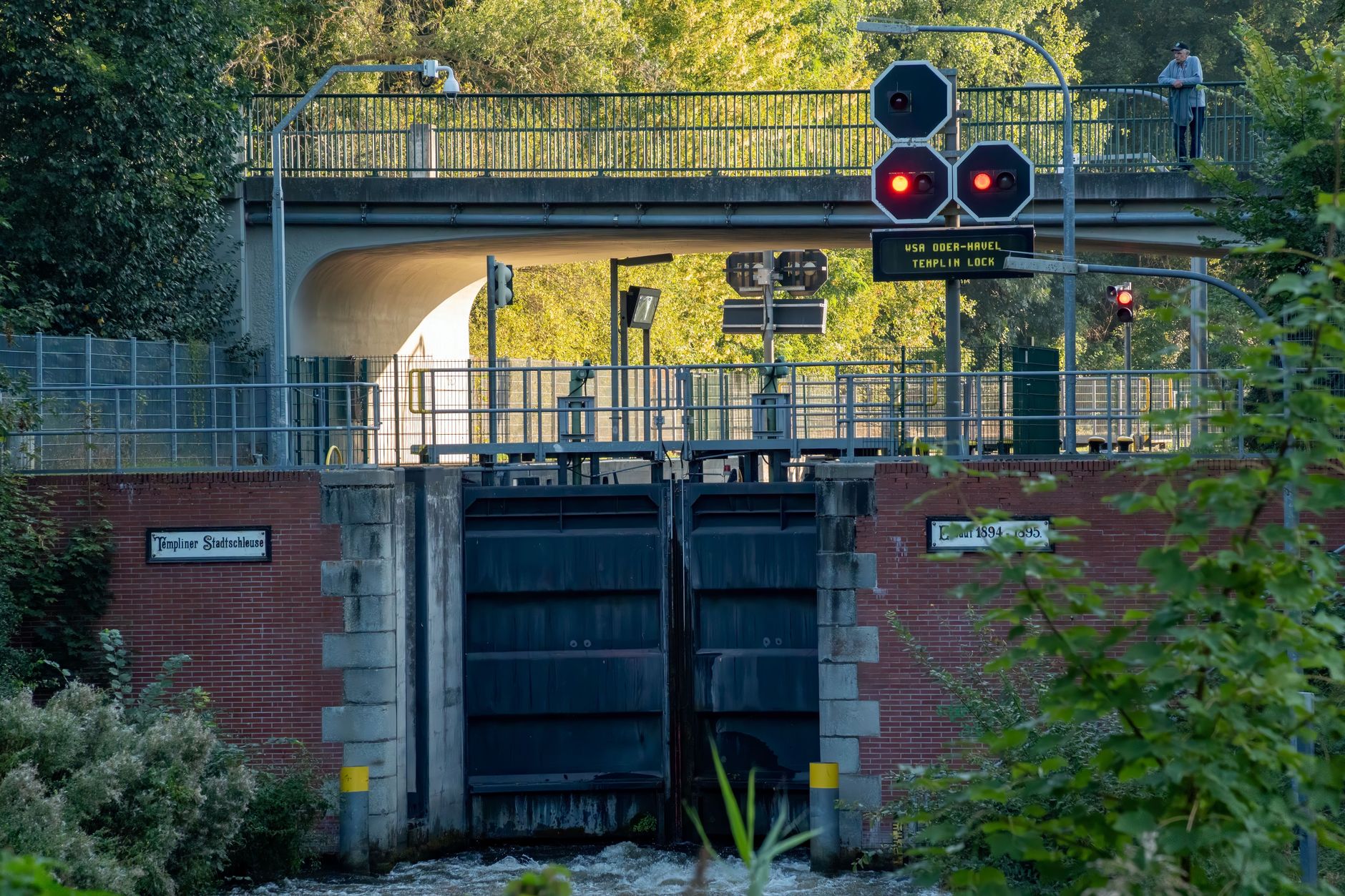
China opened the 134.2 km Pinglu Canal on 30 August 2024, creating a direct waterway from Nanning in Guangxi Zhuang Autonomous Region to Beibu Gulf. The canal connects with the Xijiang river system, giving cargo from Guangxi, Yunnan, Guizhou, Sichuan and Chongqing a shorter route to seaborne trade. Transit time from Guigang city to Qinzhou port is now two hours, compared with two days via the Pearl River Delta route. The canal cuts more than 560 km from the inland journey and is expected to reduce overall logistics costs by 18 to 30 percent, according to Splash247.
Pinglu Canal capacity and lock infrastructure#
The canal can accommodate vessels of up to 5,000 deadweight tonnes, equivalent to around 255 TEU container capacity. Three lock complexes at Madao, Qishi and Qingnian overcome a total elevation difference of around 65 metres. The Madao lock handles a maximum 29.6 metre lift and can accommodate multiple 5,000 tonne vessels at once. Recycled water basins cut water consumption by around 60 percent. Construction required excavation of more than 300 million cubic metres of earth and rock, roughly three times the excavation volume of the Three Gorges project, Splash247 reported.
First day operations and new services#
Thirty cargo ships used the canal on its first day, carrying containers and bulk commodities including steel, minerals, coal, fertiliser and building materials. Beibu Gulf Port Group executed a test run with two vessels, Bei Gang Yun He 001 and Bei Gang Yun He 002, carrying containers with suitcases and building materials from Guigang to Qinzhou for transhipment. New direct services started between Nanning and Can Tho in Vietnam, and between Nanning and Yangpu in Hainan. The canal gives western China another direct gateway to ASEAN through Beibu Gulf rather than routing cargo eastwards to Pearl River Delta ports.
Qinzhou port expansion for Pinglu Canal traffic#
Beibu Gulf Port Group has started building five automated container berths in Qinzhou's Dalanping South area to process cargo from vessels arriving along the Pinglu Canal. The RMB 1 billion ($140 million) project involves converting a breakwater into a quay and installing five automated ship to shore cranes, six automated rail mounted gantry cranes and 30 intelligent guided vehicles. When completed around March 2028, the berths will be able to handle 650,000 TEU annually. Guangxi Guigang Beigang International Container Terminal general manager Lin Jie stated that inland river ports in Guangxi Zhuang are set to handle more goods from the southwestern hinterland and imports from Southeast Asia, The Loadstar reported.
Sources2 sources across 2 domains
- theloadstar.comThe LoadstarTransit time two hours versus two days via Pearl River Delta, vessel capacity 5,000 dwt and 255 TEU, Qinzhou berth project $140m with March 2028 completion and 650,000 TEU annual capacity, Lin Jie quote on inland port handling
- splash247.comSplash247Canal length 134.2 km, 30 August opening, cost RMB 72.7bn, route from Pingtangjiangkou to Beibu Gulf, 560 km distance reduction, 18 to 30 percent logistics cost reduction, 30 ships first day, lock specifications and elevation figures, excavation volume comparison
Each source above carries the claim it supports. Links open the publisher's own page; their text is not reproduced here beyond what the claim requires, and their rights remain theirs.
MENA Trade is published by Arabian Media Network. Pieces are produced by the Corridors Desk with AI-assisted synthesis of the cited sources and automated verification against the network's editorial policy. Every piece carries a desk rather than a reporter. Corrections are recorded on the piece and on the corrections page.